Top Airport VIP Lounge Access Programs for Executive Travelers
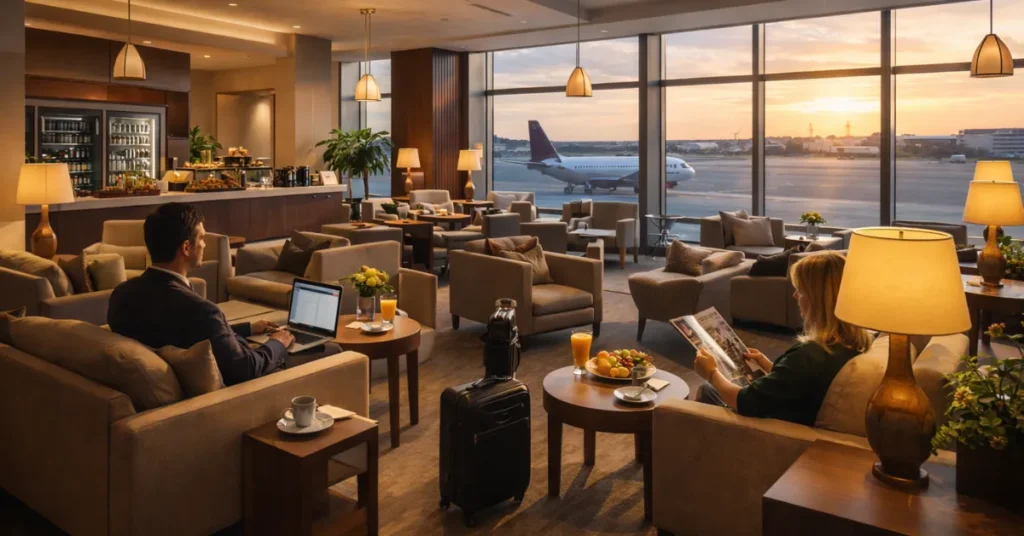
When systematically evaluating the Top Airport VIP Lounge Access Programs for Executive Travelers, corporate mobility managers and frequent flyers must first separate proprietary airline lounges from independent multi-network aggregator programs. In general consumer discourse, airport lounges are frequently discussed as a monolithic amenity offering comfortable seating, complimentary food, and beverages. In operational reality, the marketplace is sharply divided between carrier-specific hubs—such as United Polaris Lounges, Delta Sky Clubs, and American Airlines Flagship Lounges—and universal membership networks like Priority Pass, Plaza Premium, and DragonPass.
A primary source of confusion for corporate travelers is the assumption that holding a universal membership card grants uniform, unconditional entry across all global airports. Independent networks rely heavily on third-party contractual partnerships with airport operators or independent lounge facilities. Consequently, network coverage varies wildly by geography; a program with exceptional density across European hubs may offer minimal coverage in secondary domestic North American markets or specific regional Asian sectors. Furthermore, universal networks are subject to capacity-control restrictions, meaning lounge operators can turn away cardholders during peak departure banks when proprietary airline passengers take precedence.
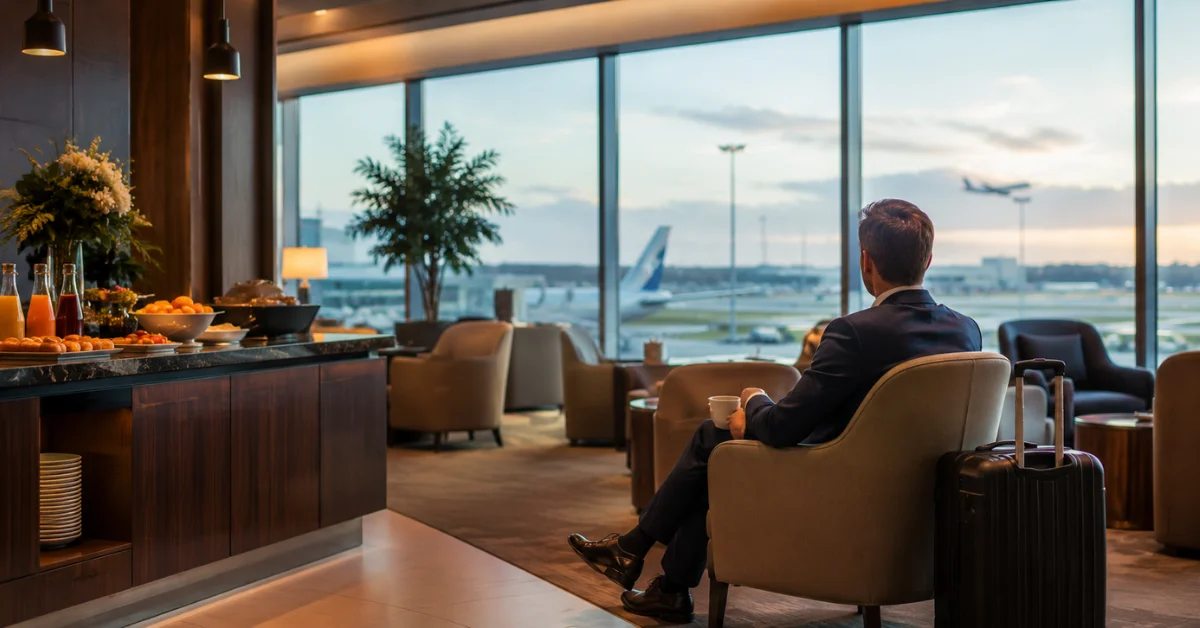
Moreover, evaluating programs strictly by network size creates blind spots regarding service quality and spatial utility. A directory listing twelve participating lounges at a single mega-hub loses its practical value if ten of those facilities are small, overcrowded contract lounges offering minimal seating and basic amenities. True executive-tier access prioritizes functional workspaces, stable encrypted Wi-Fi, quiet zones, shower facilities, and proximity to departure gates over sheer numerical lounge counts.
Evolution and Context of Airport Lounge Networks
The historical trajectory of airport lounges reflects broader shifts in commercial aviation economics, airline alliances, premium cabin segmentation, and credit card rewards financing. During the dawn of commercial jet aviation in the mid-twentieth century, airlines established private airport clubs primarily as exclusive social sanctuaries for elite first-class passengers and high-value corporate accounts. These early spaces offered quiet environments, personalized customer service, and complimentary refreshments. Entry was strictly controlled through proprietary airline club memberships or top-tier first-class ticket stock, preserving low occupancy rates and high exclusivity.
As airline deregulation drove industry competition and passenger volume growth, airlines realized that premium business class cabins were expanding rapidly. The subsequent decades saw the formalization of global airline alliances—Star Alliance, Oneworld, and SkyTeam—which standardized lounge access rules across partner carriers, allowing an executive flying on one airline to access alliance partner lounges at international hubs.
The contemporary era is defined by the financialization of travel rewards through premium credit card ecosystems and independent aggregator networks. Issuers of high-fee credit cards disrupted the traditional model by acquiring vast lounge networks or purchasing corporate access contracts with Priority Pass. While this democratization of access expanded lounge utility for millions of travelers, it triggered severe capacity overcrowding, prompting networks to introduce guest fees, visit caps, and strict same-day ticket validation rules.
Conceptual Frameworks for Lounge Network Evaluation
Navigating and selecting among competing lounge programs requires employing structured analytical frameworks that evaluate network density, spatial functionality, and access reliability.
Network Density versus Hub Concentration
This model maps an executive’s travel patterns against a lounge program’s geographic footprint, distinguishing between broad global counts and strategic hub presence. Broad aggregator networks provide extensive coverage across secondary and tertiary airports, whereas hub-concentrated proprietary footprints maintain a focused presence only at primary global gateways, delivering superior dining, private shower suites, and executive workspaces.
Access Friction and Tier Dependency
This mental model evaluates the administrative hurdles required to gain entry. It separates programs based on whether access is granted automatically via digital membership credentials, tied to specific airline ticketing classes, or dependent on meeting strict elite status mileage thresholds.
Key Categories of Access Architecture
Airport lounge access programs differ across corporate ownership models, entry mechanics, alliance rules, and service tiers.
Proprietary Credit Card Lounge Networks
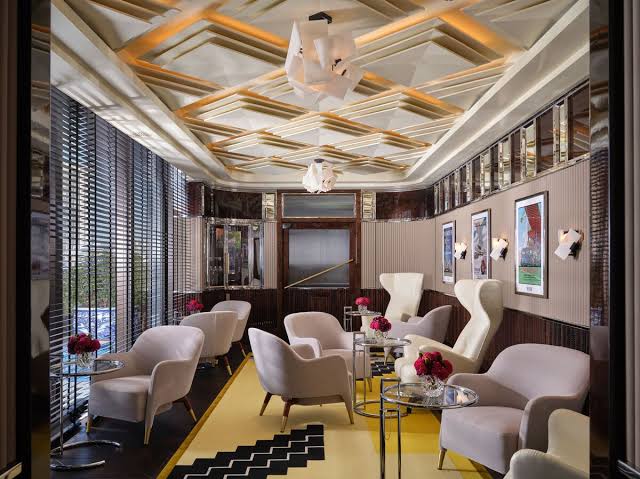
Issuer-branded spaces represent the pinnacle of modern airport lounge design, featuring localized chef-curated dining, specialty cocktail bars, quiet work pods, and spa-grade shower facilities. Because they are tied to high-fee credit cards, they have become immensely popular among frequent flyers. However, their popularity has created severe capacity strain, leading to long entry queues and strict operational rules, such as prohibiting arrivals more than three hours prior to flight departure.
Universal Third-Party Aggregators
Priority Pass remains the most ubiquitous independent lounge program in the world, offering access to over 1,300 lounges globally. For executives traveling through secondary international airports where major airlines do not operate proprietary hubs, these networks provide essential workspace infrastructure. The primary operational risk involves capacity-control restrictions: during peak morning and evening banks, partner lounge operators frequently suspend aggregator access to preserve space for paying airline passengers.
Airline Flagship and Business Class Hubs
Carrier-operated premium spaces tied to premium cabins or elite status provide seamless integration with flight manifests and priority boarding proximity. They require specific ticket classes, elite tiers, or same-day airline travel, delivering high-end dining and rest suites designed specifically for long-haul recovery.
Real-World Scenarios and Decision Logic
Scenario 1: Multi-Leg International Itinerary with Tight Connections
An executive transits across different airline alliances on separate booking records. Holding a credit card-bundled universal membership alongside alliance status, the executive bypasses crowded terminal concourses, utilizes the partner network to locate an open lounge near the connecting gate, and secures a quiet workspace and shower facility during the layover. Had the executive relied solely on a single airline’s proprietary club membership, connection delays or alliance boundaries could have locked them out of partner facilities.
Scenario 2: Severe Flight Disruption at a Secondary Domestic Hub
A severe weather event grounds all outbound flights at a regional airport, stranding hundreds of passengers. The stranded executive accesses a contracted independent lounge via a universal membership aggregator. While general ticket counters face multi-hour queues, the executive utilizes the lounge’s dedicated concierge service to rebook flights and secure overnight hotel accommodations remotely.
Planning, Cost Dynamics, and Capital Outlay Accounting
Budgeting for airport lounge access requires evaluating credit card annual fees, direct corporate membership subscriptions, guest fee policies, and opportunity costs.
-
Premium Credit Card Annual Fees: Fixed annual card fees ranging from $550 to $695+ that bundle proprietary lounge access, universal aggregator memberships, travel credits, and elite statuses to offset out-of-pocket overhead.
-
Direct Corporate Subscriptions: Direct cash or corporate subscriptions to carrier club networks ensuring predictable budgeting and centralized expense reporting across company travel rosters.
-
Per-Visit Guest Fees: Additional charges ranging from $35 to $50+ per guest when bringing unassociated colleagues or family members beyond complimentary cardholder allowances.
Risk Landscape and Operational Failure Modes
Navigating airport lounge networks introduces operational risks, capacity bottlenecks, and exclusion traps that can disrupt executive travel workflows.
-
Peak-Hour Capacity Pauses: Major global hubs experience severe lounge overcrowding during afternoon and evening departures, causing lounge operators to institute temporary capacity pauses that turn away aggregator cardholders entirely.
-
Pre-Flight Arrival Window Rules: Many proprietary credit card lounges enforce a strict operational rule prohibiting cardholders from entering the lounge more than three hours prior to their scheduled flight departure, locking out early arrivals.
-
Same-Day Ticket Class Invalidation: Strict validation rules regarding ticket types, basic economy exclusions, or non-qualifying partner codes can result in unexpected entry rejections at carrier club reception desks.
Governance, Maintenance, and Strategy
For corporate travel managers and executive assistants overseeing travel portfolios, maintaining an optimal lounge access strategy requires ongoing portfolio auditing and structured review protocols.
-
Audit Membership Currency and Credit Accounts: Verify that physical or digital lounge membership cards and associated credit accounts are active and unexpired prior to international transit.
-
Map Terminal Lounge Footprint: Review departure, connection, and arrival terminals to identify available proprietary and partner lounges along the flight path.
-
Verify Same-Day Ticket Requirements: Ensure departure boarding passes are generated and accessible to satisfy strict carrier validation checks at lounge entrances.
Conclusion and Strategic Synthesis
Mastering the landscape of Top Airport VIP Lounge Access Programs for Executive Travelers requires moving beyond surface-level credit card perks to implement a sophisticated, multi-layered access strategy. By combining proprietary card networks for flagship terminal experiences with universal aggregators for global footprint coverage, executives can ensure reliable access to secure workspaces and physiological rest across any itinerary.
Through disciplined pre-trip planning, real-time app utilization, and an understanding of capacity constraints and access rules, international travel transforms from a draining logistical obstacle into a consistent, productive extension of the executive office. Strategic lounge management delivers a tangible competitive advantage in the global business arena.