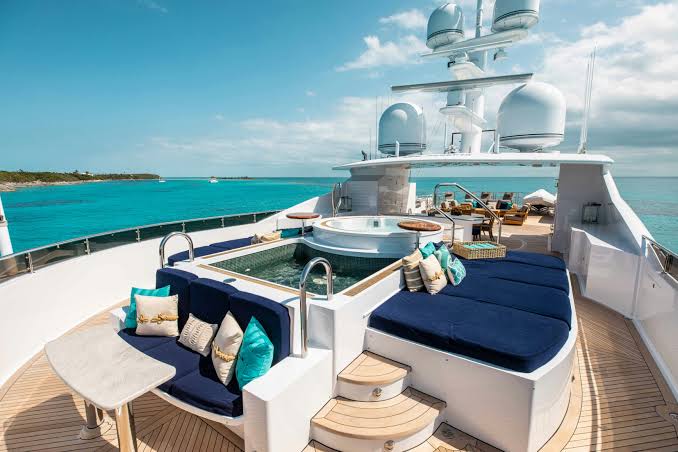
Best Luxury Yacht Charter Destinations for Summer
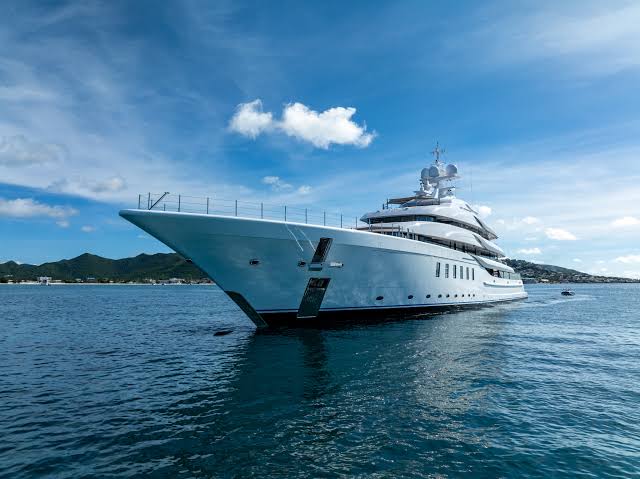
Maritime luxury travel represents one of the most complex intersections of naval architecture, international maritime law, localized meteorology, and high-net-worth hospitality management. When private yacht charterers evaluate oceanic cruising grounds for the northern hemisphere’s warmer months, the decision extends far beyond picking a scenic coastal backdrop or a fashionable port of call. Summer yachting requires balancing competing environmental forces: seasonal wind patterns such as the Mediterranean Meltemi or regional monsoon cycles, port infrastructure capacities, maritime tax jurisdictions governed by the European Union VAT or local territorial laws, and the complex operational logistics of crewed superyachts.
Evaluating premier cruising regions demands an analytical framework that treats coastal navigation not as casual leisure, but as a sophisticated exercise in risk management and regional alignment. A summer itinerary in the Western Mediterranean differs fundamentally from cruising the crystalline waters of the Ionian Sea, navigating the rugged fjords of Northern Europe, or exploring the remote island chains of the Pacific. Each marine corridor imposes distinct constraints on vessel draft, tender operations, mooring availability, and localized provisioning networks.
Navigating this high-end maritime sector requires a deep understanding of charter agreement structures—specifically the Mediterranean Yacht Brokers Association contracts—alongside operating expenses like Advanced Provisioning Allowance, cruising permits, and local pilotage requirements. This reference guide deconstructs the structural variations, conceptual frameworks, financial dynamics, and risk management strategies governing elite maritime travel during the warmest months of the year.
Best Luxury Yacht Charter Destinations for Summer
When systematically analyzing the Best Luxury Yacht Charter Destinations for Summer, maritime brokers and charterers must dismantle the superficial notion that summer cruising is an undifferentiated Mediterranean-wide experience. In general consumer discourse, summer yachting is frequently portrayed as a homogeneous sun-drenched escape characterized by glamorous anchorages, beach clubs, and quiet coves. In operational reality, the summer cruising market splits into sharply contrasting regional micro-climates, legal jurisdictions, and nautical challenges that dictate whether an expedition succeeds or suffers from severe logistical bottlenecks.
A primary source of friction for charterers is the misunderstanding of regional wind dynamics and seasonal sea states. For instance, the Aegean Sea during July and August experiences the Meltemi—a powerful, persistent northerly wind driven by thermal pressure differentials between the Balkan landmass and the Anatolian plateau. While these winds provide relief from intense summer heat, they can produce severe short-period wave action that restricts smaller displacement yachts, limits tender operations, and renders unprotected anchorages completely untenable. Selecting a destination requires aligning vessel capabilities with regional atmospheric behavior.
Moreover, evaluating cruising grounds solely by their social prestige creates blind spots regarding infrastructure capacity. Iconic ports across the French Riviera and the Amalfi Coast face severe infrastructure saturation during peak summer weeks, resulting in berth shortages, exorbitant dockage fees, and intense maritime traffic congestion. True luxury positioning often requires balancing iconic social hubs with secluded cruising corridors where vessels can anchor in pristine marine reserves free from commercial crowding.
Evolution and Context of Elite Summer Cruising Grounds
The historical trajectory of summer yacht chartering reflects broader shifts in European aristocracy, post-war economic expansion, naval design, and the democratization of wealth through global financial markets. During the late nineteenth and early twentieth centuries, modern yachting emerged from the royal and aristocratic pastime of steam-yacht cruising across British, Scandinavian, and Mediterranean waters. Wealthy industrialists commissioned magnificent steam-powered vessels to transit between European ports, establishing the foundational social routes that define modern luxury cruising.
The post-World War II era witnessed the birth of the modern Mediterranean jet-set culture, centered along the French Riviera, the Italian coast, and the Balearic Islands. As shipyards transitioned to steel and advanced aluminum alloys, superyachts grew in size, range, and interior luxury. This era also saw the formalization of standardized charter agreements, such as the MYBA contract, which established clear legal delineations regarding charter fees, operating expenses, and crew liability.
The contemporary era is defined by the diversification of summer cruising corridors. While the Mediterranean remains a foundational pillar, charterers increasingly demand remote, expedition-style summer itineraries. Modern carbon-composite and steel explorer yachts now journey to Northern Europe, the Norwegian fjords, Iceland, and Arctic waters during the peak summer window, seeking pristine wilderness rather than crowded social ports.
Conceptual Frameworks for Destination Selection
Selecting an optimal cruising ground requires employing structured analytical frameworks that evaluate environmental stability, spatial geography, and cultural density.
Environmental Stability versus Exploration Index
This model maps a destination’s geographic exposure against predictable weather patterns, balancing safe, protected coastal cruising against rugged, exposed oceanic exploration. High stability regions like the Ionian Sea feature island-sheltered waters and predictable light winds ideal for family cruising, whereas low stability areas like the open Aegean require capable vessels and flexible itineraries.
Infrastructure Density and Port Autonomy
This framework evaluates a cruising ground based on the availability of high-end marine infrastructure versus self-sustained anchorages. Destinations like the French Riviera offer high marina density with luxury shoreside dining, whereas remote islands or northern fjords require vessels to be entirely self-sufficient in power generation and provisions storage.
Key Categories of Regional Cruising Grounds
Summer yacht charter destinations differ across oceanographic conditions, legal frameworks, cultural environments, and cruising logistics.
The Western Mediterranean
Encompassing the French Riviera, Corsica, Sardinia, and the Balearic Islands, this region offers an unmatched concentration of shoreside luxury, private beach clubs, and elite marine service facilities. However, extreme popularity creates severe port congestion, high dockage rates, and crowded anchorages during peak summer weeks.
The Eastern Mediterranean and Ionian
The Greek Ionian Islands feature calm waters, predictable breezes, and rich historical sites. They provide tranquil anchorages and an authentic cultural experience, though superyacht marina infrastructure in remote coves is less developed compared to western hubs.
The Aegean and Cyclades
Famous for Mykonos and Santorini, this region offers vibrant social nightlife and iconic architecture alongside strong Meltemi winds during July and August that challenge navigation for smaller displacement yachts.
The Adriatic and Dalmatian Coast
Croatia and Montenegro provide thousand-island cruising, medieval walled towns, and clear water protected by island channels and gentle thermal breezes.
Real-World Scenarios and Decision Logic
Scenario 1: Navigating the Meltemi in the Cyclades
A superyacht carrying charter guests departs Mykonos for Santorini during late July, encountering a sudden gale-force Meltemi wind. The captain evaluates the forecast and local lee shores. Rather than attempting a hazardous open-water southern crossing against steep headseas, the captain alters the itinerary to cruise the protected lee side of Naxos, anchoring in a calm bay until the pressure gradient moderates.
Scenario 2: Berthing Bottleneck on the French Riviera
An elite charter yacht arrives in Cannes during the peak summer season without a confirmed reservation. Because all central berths are fully saturated, the local agent coordinates an offshore rendezvous using the yacht’s high-speed custom tenders to transport guests from a secure private dock directly to the yacht’s swim platform, bypassing the marina bottleneck entirely.
Planning, Cost Dynamics, and Capital Accounting
Budgeting for an elite summer yacht charter requires analyzing base charter fees, Advanced Provisioning Allowance, local value-added taxes, port dues, and crew gratuities.
-
Base Weekly Charter Fee: Contractual baseline cost covering the physical vessel, professional crew salaries, and standard marine insurance policies.
-
Advanced Provisioning Allowance (APA): A variable operating fund calculated at 25% to 30% of the base fee, paid upfront to cover fuel, food, wine, port taxes, and marina mooring fees.
-
Maritime Value-Added Taxes: Regional tax levies ranging from 10% to 22% applied to base charter fees depending on territorial waters visited.
-
Crew Gratuities: Customary tipping guidelines ranging from 10% to 15% of the base fee based on service excellence.
Risk Landscape and Operational Failure Modes
Navigating elite summer cruising grounds introduces distinct maritime risks, weather anomalies, and logistical failure modes.
-
Sudden Aegean Meltemi Storms: Unpredicted gale-force winds can transform moderate afternoon breezes into dangerous seas, threatening open anchorages and requiring immediate shelter.
-
Marina Berth Oversubscription: Arriving at popular Mediterranean ports without confirmed reservations during peak summer weeks results in absolute port rejections.
-
Customs and Tax Non-Compliance: Failing to properly clear customs or pay territorial value-added taxes when crossing maritime borders triggers severe financial penalties and vessel detention.
Governance, Maintenance, and Strategy
For yacht owners, management companies, and charter brokers, maintaining operational readiness across demanding summer itineraries requires strict adherence to international maritime codes.
-
Verify Vessel Statutory Certification: Ensure all safety equipment, fire suppression systems, and load-line certificates comply with international maritime standards before departure.
-
Complete Mechanical Diagnostics: Conduct full servicing on main propulsion diesels, generators, and zero-speed stabilization systems prior to summer cruising.
-
Establish Port Agent Networks: Confirm pre-arranged berth reservations, fuel bunkering schedules, and local provisioning logistics across all planned itinerary stops.
Conclusion and Strategic Synthesis
Selecting among the Best Luxury Yacht Charter Destinations for Summer demands an analytical, risk-weighted approach that aligns vessel capabilities, regional meteorology, and guest preferences. Whether navigating the glamorous corridors of the Western Mediterranean, exploring the wind-swept islands of the Aegean, cruising the protected archipelagos of the Adriatic, or embarking on remote wilderness expeditions in Northern Europe, success depends entirely on meticulous operational planning.
By mastering the intricacies of charter contracts, Advanced Provisioning Allowance mechanics, localized wind patterns, and regulatory compliance, charterers can transform an elite maritime journey into an extraordinary, seamless experience. Through disciplined preparation and respect for the marine environment, summer yachting remains the pinnacle of global luxury travel.